Introduction
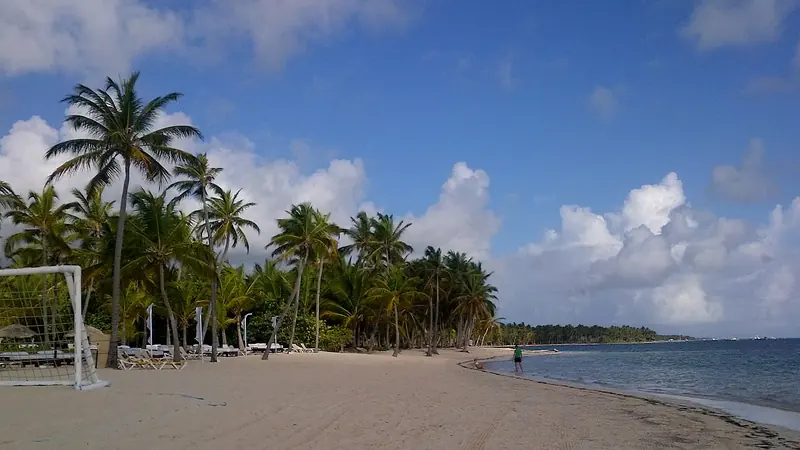
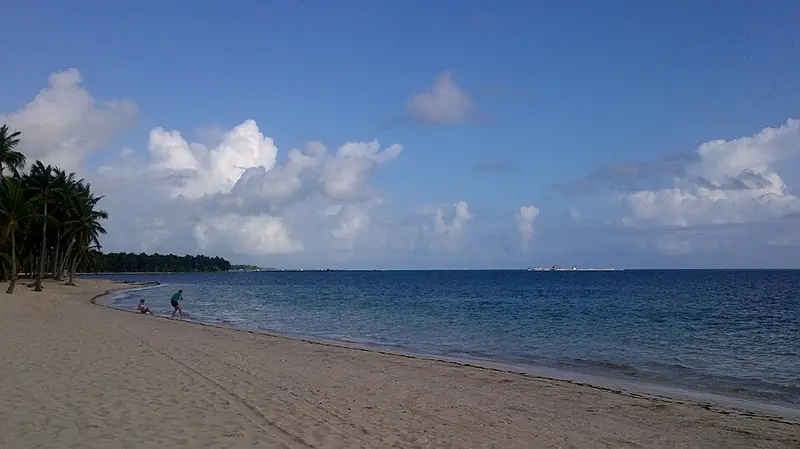
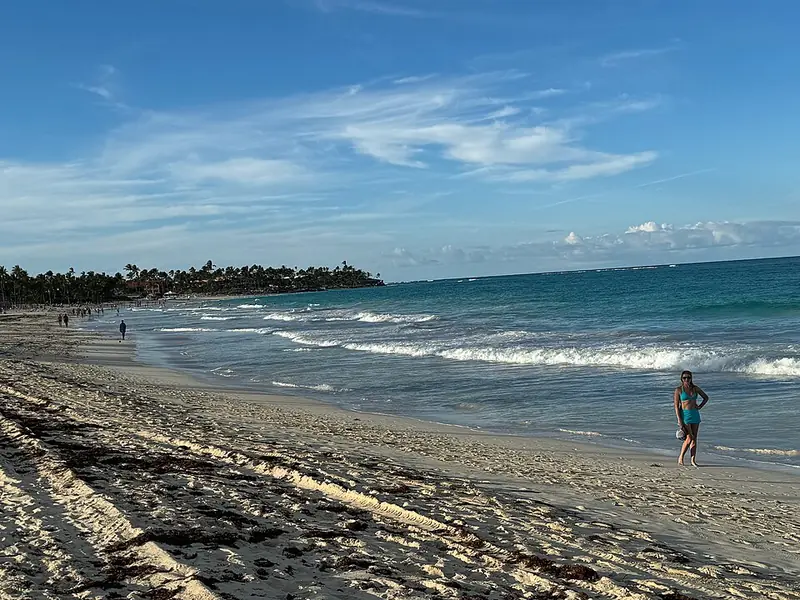
Punta Cana is the name used internationally for the coastline at the far eastern end of the Dominican Republic, in La Altagracia province. It covers areas such as Bávaro, El Cortecito, Los Corales, Cabeza de Toro, Cap Cana, Macao and Uvero Alto, linked by a long string of pale-sand beaches, many of them sheltered by coral reefs.
It is the country’s main tourism hub and one of the best-known in the Caribbean, but there is much more than resorts: open beaches such as Macao, freshwater lagoons and sinkholes, catamaran trips to Saona Island and the city of Higüey, the provincial capital and home of the Basilica of Our Lady of Altagracia, one of the country’s most important pilgrimage sites.
Location
La Altagracia province, in the East region. The resort coast stretches for dozens of kilometres between Cap Cana in the south and Uvero Alto in the north.
Loading map…
Main attractions
Hoyo Azul
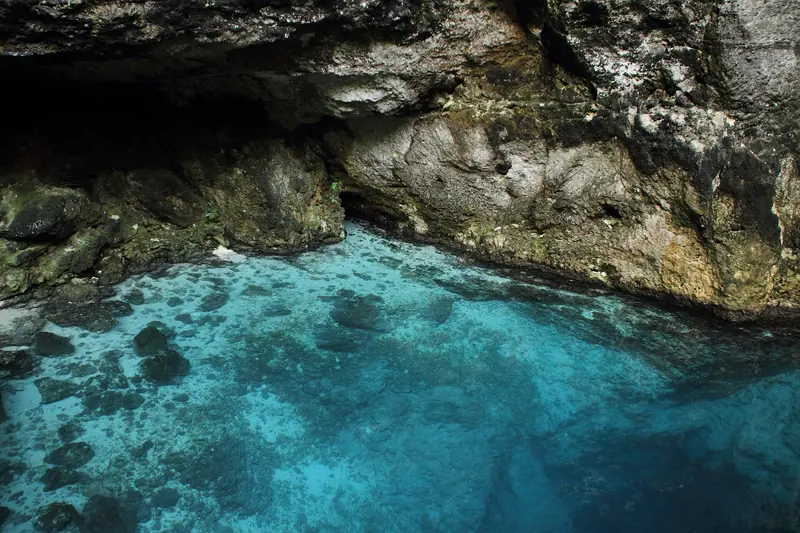
A turquoise freshwater sinkhole at the foot of a cliff in the Cap Cana area.
Nearby beaches
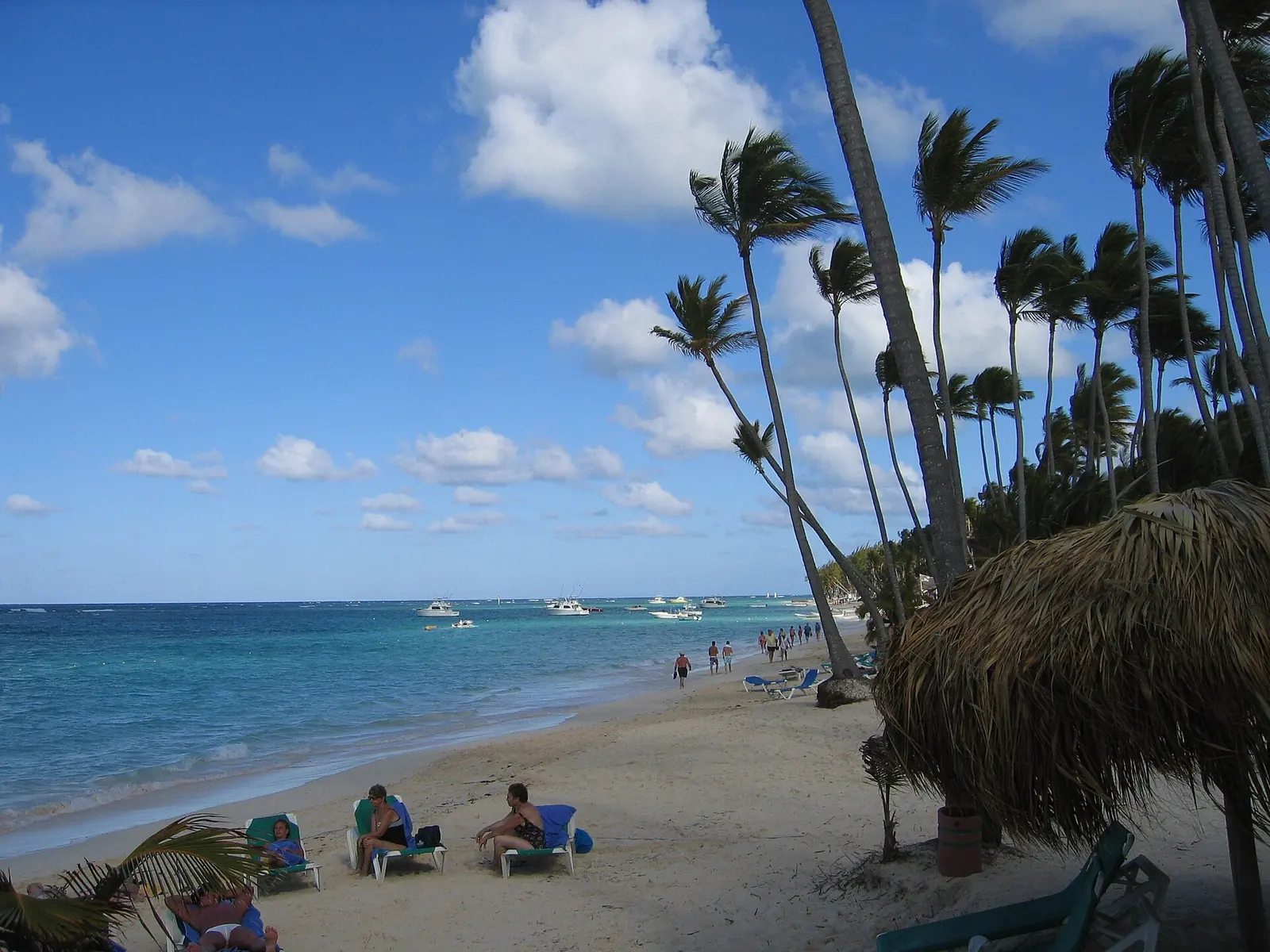
Bávaro Beach
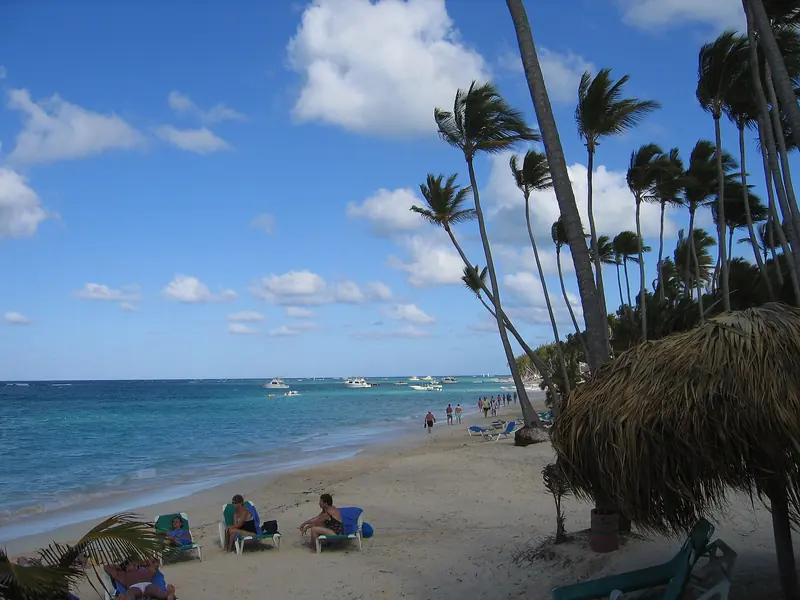
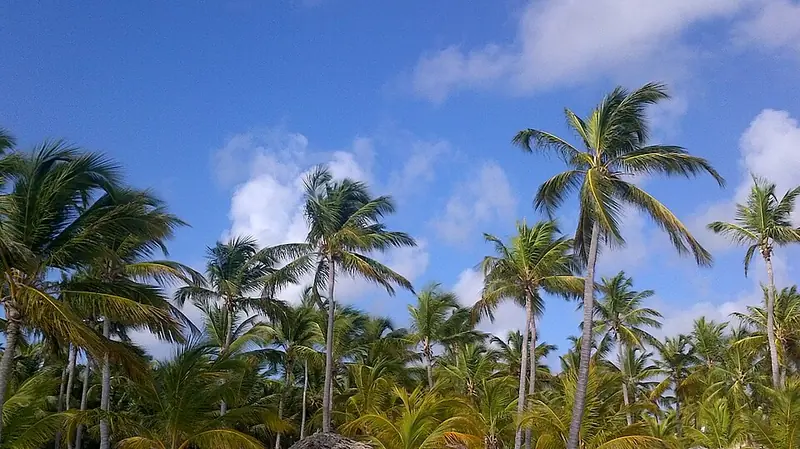
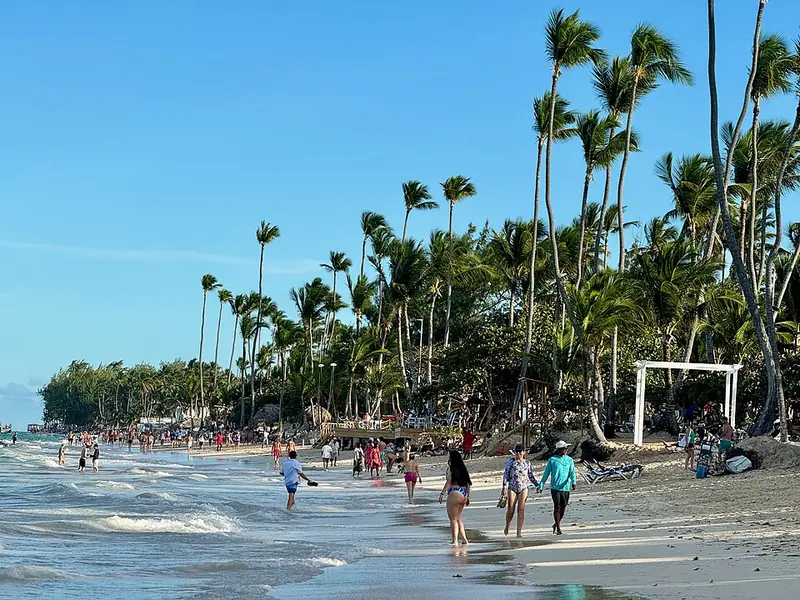
White sand, coconut palms and calm water sheltered by the reef: Punta Cana’s best-known beach.
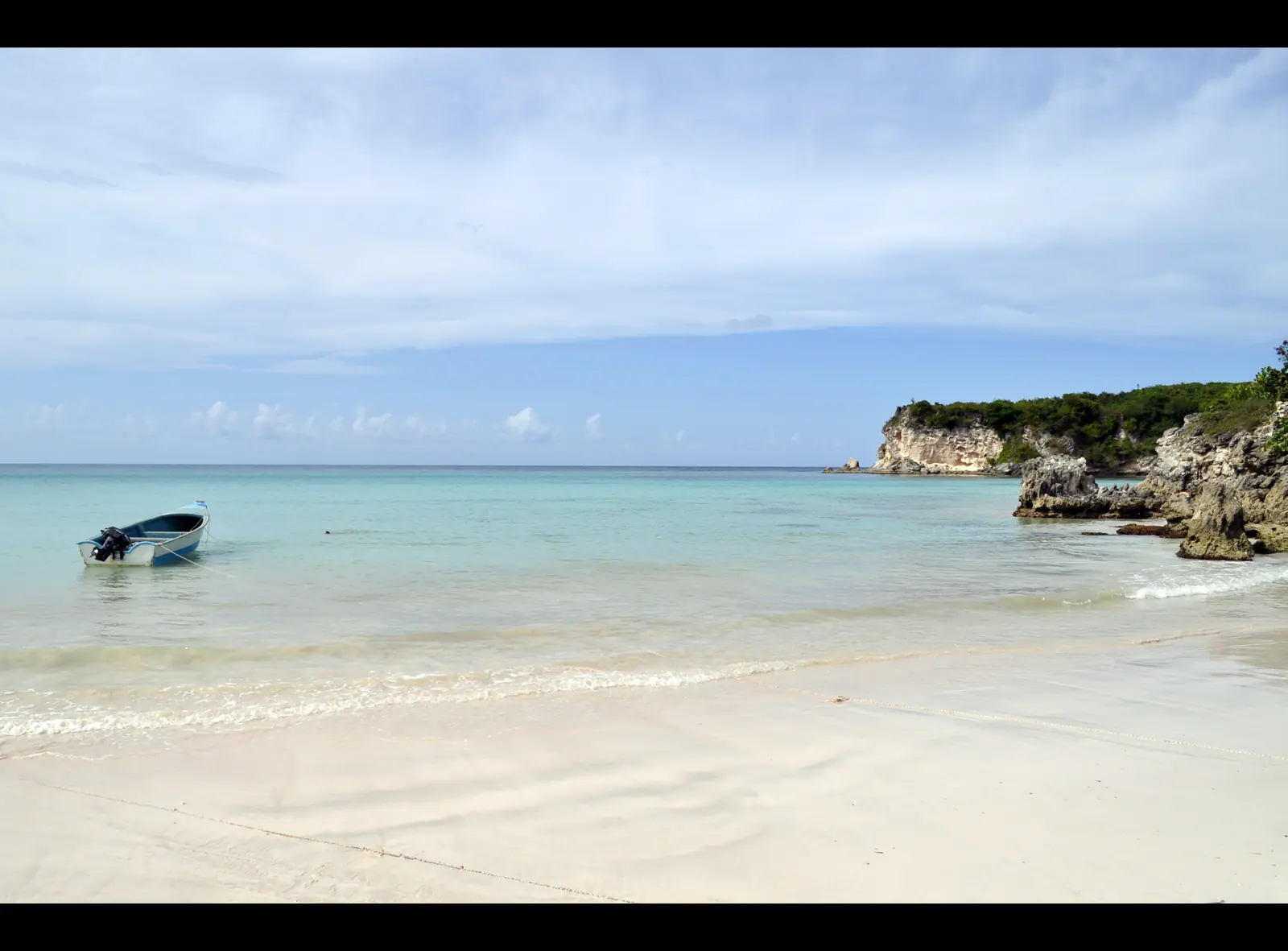
Macao Beach
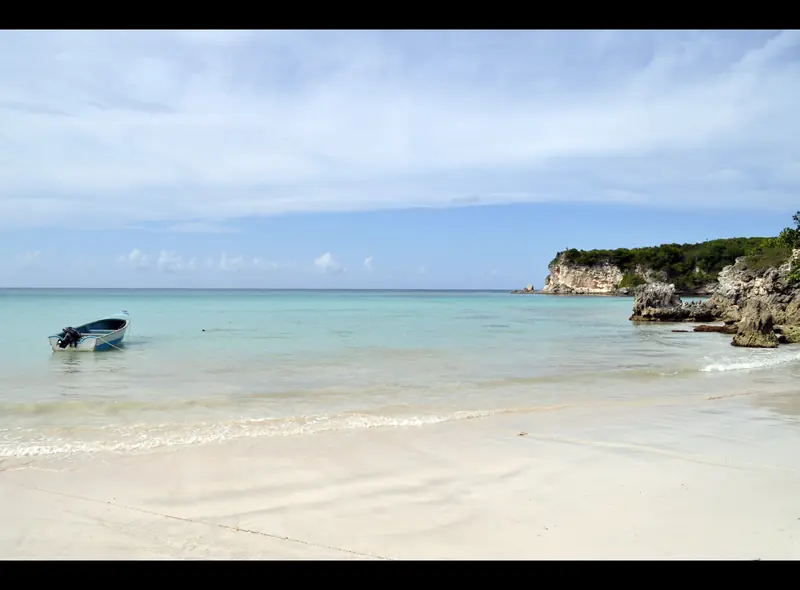
An open, less developed beach north of Bávaro, with waves suitable for learning to surf.
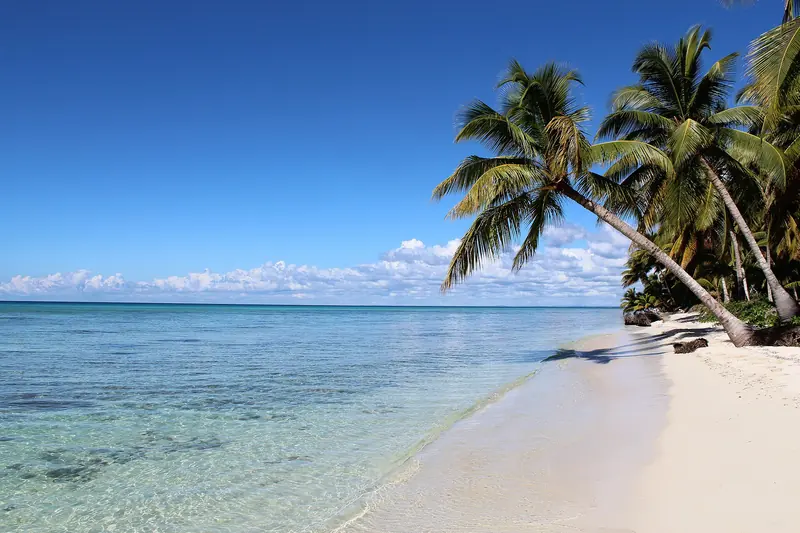
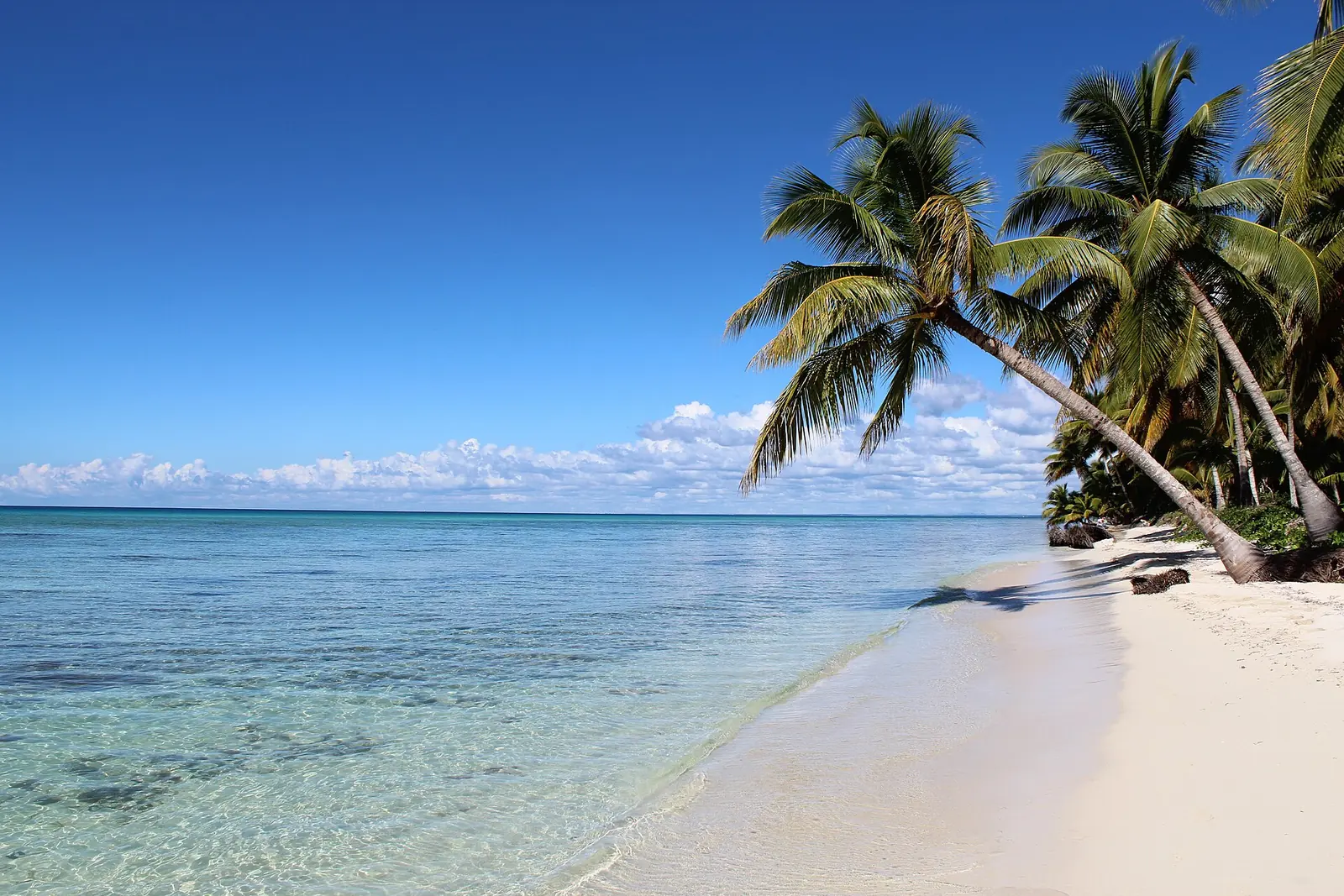
Saona Island
The largest island off the Dominican coast, inside Cotubanamá National Park, with picture-perfect beaches and a natural pool.
Recommended activities
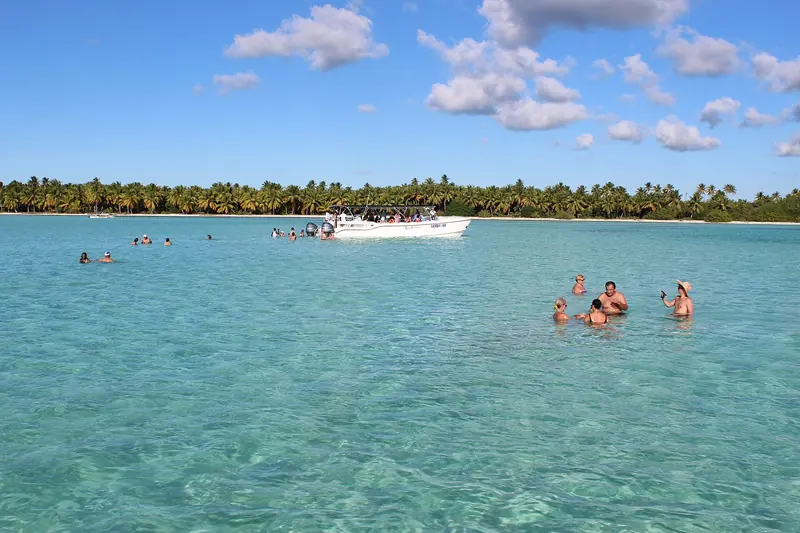
Saona Island excursion
A day of speedboats and catamarans in Cotubanamá National Park, with a stop at the natural pool and palm-fringed beaches.
View experienceRestaurants & food
El Cortecito and Los Corales have seafood restaurants, international cuisine and cafés. For cheaper creole food, look for local comedores in Verón and Friusa, or in Higüey.
We recommend areas and types of cuisine rather than specific venues until our verification is complete.
Dishes to try in the area
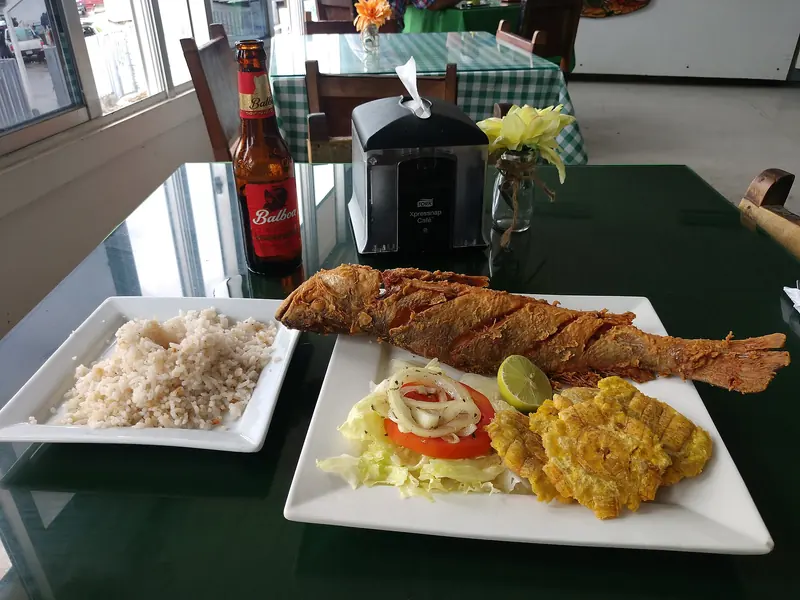
Fried fish with tostones
The ultimate beach meal: whole fried fish with flattened, fried slices of green plantain.
Read moreWhere to stay
All-inclusive resorts in Bávaro, Uvero Alto and Cap Cana; apartments, aparthotels and small hotels in Los Corales and El Cortecito, close to the beach and with more local life; cheaper stays in Verón and Friusa, a few minutes from the coast.
We do not list specific businesses until we have verified them. We guide you by area and type of accommodation; compare options and recent reviews on booking platforms.
How to get there
Punta Cana International Airport (PUJ) has direct flights from many cities in the Americas and Europe. By road from Santo Domingo, take the Autopista del Este and the Autopista del Coral: roughly 2.5 to 3 hours depending on traffic. Intercity buses also run between the capital and the Bávaro area.
Getting around
Official taxis and private transfers (agree the fare before getting in), car rental and local guaguas (minibuses) linking Higüey, Verón and Bávaro. Ride-hailing apps may be available in some areas: check coverage when you arrive.
Indicative budget
One of the country’s more expensive destinations in relative terms, especially for resorts and private tours. You can cut costs by staying outside large complexes, eating at local comedores and using guaguas.
What to include in your budget
- Transport
- Accommodation
- Food
- Activities
- Other expenses
An indicative level, relative between destinations. Not a rate: check current prices before you travel.
Best time to visit
December to April usually brings less rain and more visitors. May, June and November are quieter. The official Atlantic hurricane season runs from 1 June to 30 November, with activity usually peaking between August and October. Sargassum seaweed varies from year to year, mostly in spring and summer.
Practical tips
- Use reef-safe sunscreen and never stand on or touch coral.
- Respect the sea-condition flags: some open beaches, such as Macao, have strong currents and waves.
- Book tours with licensed operators and confirm what the price includes.
- Carry cash in small notes for public beaches, tips and local vendors.
- By law all beaches in the country are public; access paths may be discreetly signposted.
Plan your visit to Punta Cana
Add this destination to the planner and estimate your budget.
Photo gallery
Related guides
What to bring to the beach in the Dominican Republic
A practical list for enjoying the Caribbean Sea comfortably and responsibly.
Read moreRelated destinations
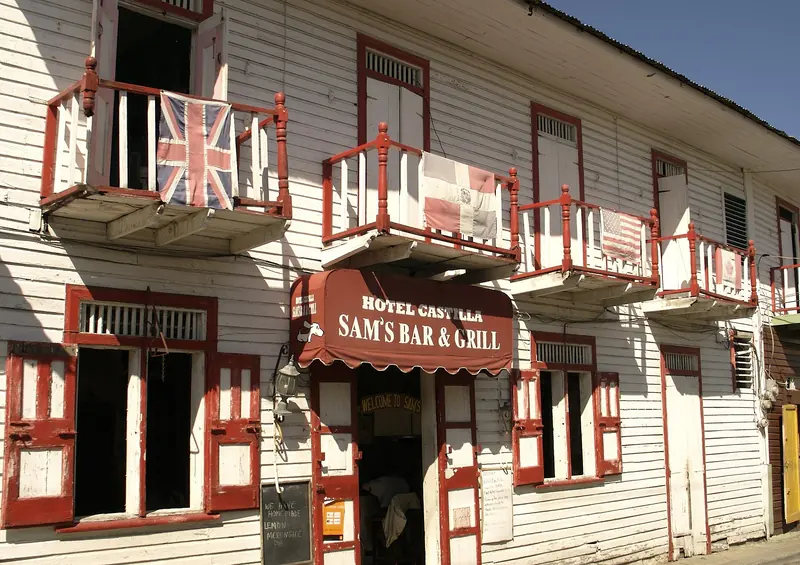
Puerto Plata
The Amber Coast: Victorian architecture, a cable car up the mountain, river pools to jump into and beaches made for wind sports.
Discover destination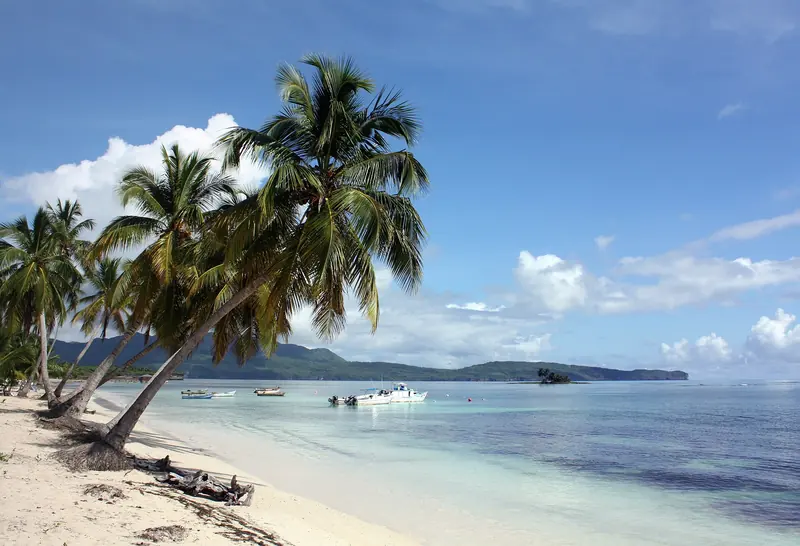
Samaná
A green peninsula of coconut palms, wild beaches, waterfalls and the bay where humpback whales arrive every winter.
Discover destination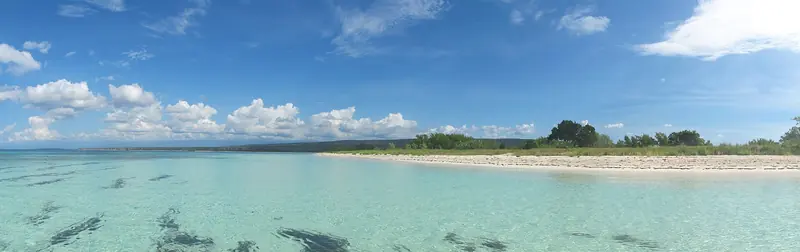
Pedernales
The wildest southwest: Bahía de las Águilas, flamingo lagoons and dry-forest mountains on the border with Haiti.
Discover destinationIndicative information. Opening hours, prices and conditions may change: confirm with official sources or operators before you travel.